
The Ballot Is Not a Political Prop
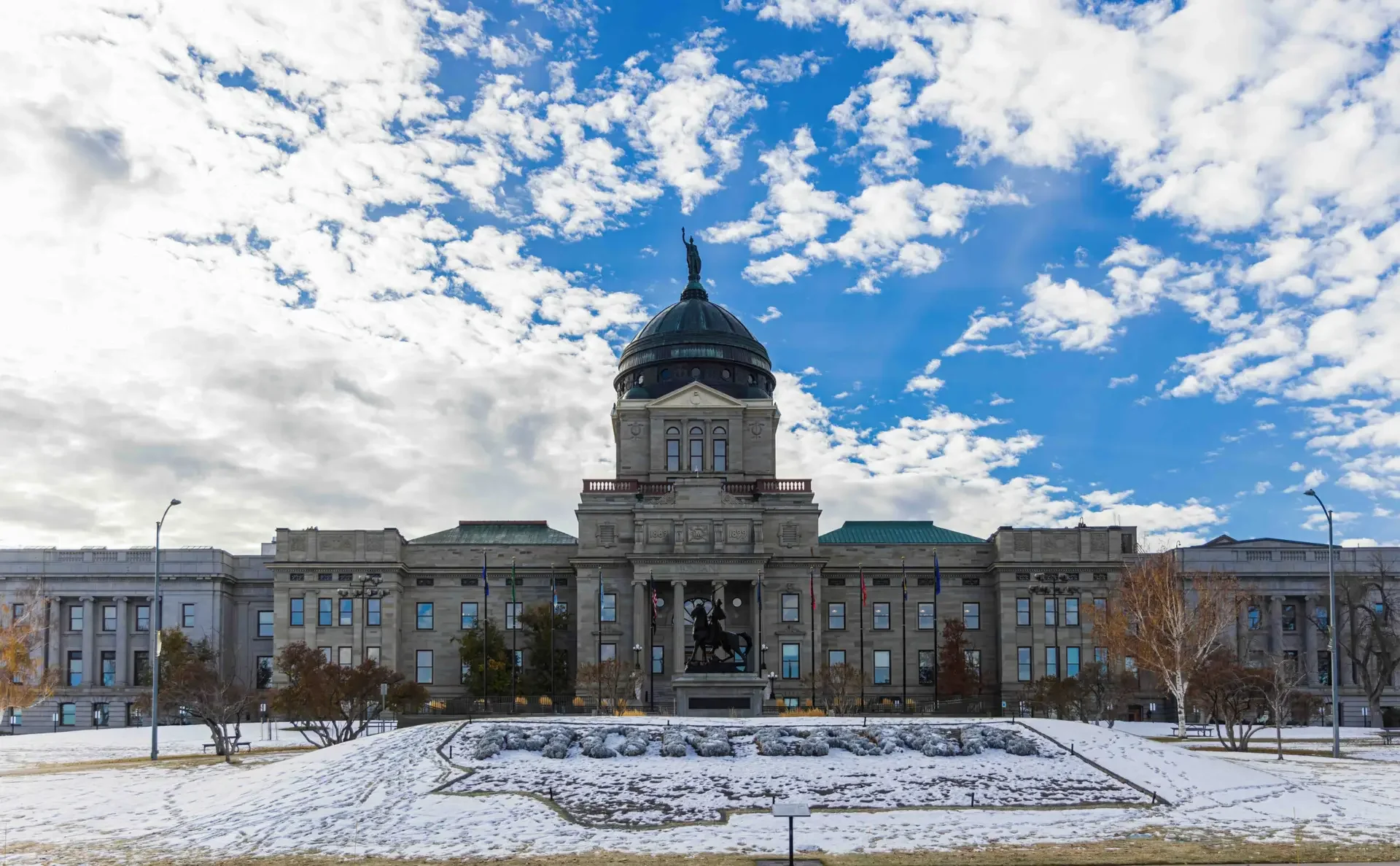
Local administrators keep the focus on procedures and service, not politics.
Over the past weeks, I’ve been visiting county elections offices across Montana. From county to county, I spend time with the professionals who register voters, safeguard private information, administer elections, and count every ballot.
The trust Montanans place in these local professionals is deserved. Many of these officials are elected by their communities while others are appointed. They are all directly responsible to the people.
County election teams work inside a system built on redundancy. Staff members use checklists, documented chain-of-custody procedures, bipartisan election judges, and layered verification steps to keep the process accurate, from registering voters to final vote audits.
When a ballot or registration arrives with a problem, local staff members follow protocol. The work looks careful, repetitive, and steady, which is exactly how election administration should look.
In January, Montana households received a mass-mailed postcard from Secretary of State Christi Jacobsen that featured a photo with President Donald Trump and the slogan “ONLY CITIZENS SHOULD BE ALLOWED TO VOTE.”
Montana law already limits voting to U.S. citizens. The postcard also promoted a new “election security” effort tied to federal citizenship and immigration-status data, including the federal SAVE program which, as far as I can tell, is only accessible by the State and not local offices who directly register voters.
County offices administer elections with precision and restraint. When state-level messaging turns political, local staff stay disciplined and let the procedures speak for themselves.
Voters also face new, easy-to-miss rules. A 2025 state law, House Bill 719, requires voters to write a birth date on the back of a mail ballot return envelope alongside the signature line. Election officials have reported that the new requirement triggered some rejected ballots during early municipal election returns. In these cases, counties attempted to contact voters to cure the issue when possible.
The rule specifically requires absentee ballots to include the birth year on the envelope with the voter’s signature, name and address. The rule is also the subject of ongoing litigation. Disability Rights Montana and others sued Secretary of State Jacobsen over HB 719 in May 2025, arguing that the date-of-birth requirement increases wrongful rejections and violates the Montana Constitution and the Civil Rights Act.
Elections officials on the ground confirm that absentee voting is the dominant way Montanans participate in elections. In the 2024 general election, county offices had already received more than 430,000 absentee ballots before Election Day. The new birth-year requirement could lead to rejected ballots and disenfranchise many eligible voters.
Here are tips I’ve heard from elections officials to help voting run as smoothly as possible in 2026:
Register early for the June 2, 2026 Montana primary election.
Verify registration status by calling or visiting the county elections office, especially before the busy season begins. Don’t forget to thank the staff for their hard work!
When voting by mail, sign the return envelope and write the birth year in the required box using four digits.
Ask about serving as an election judge. Counties welcome community members for election work.
Make sure your local office knows whether you prefer absentee or in-person voting.
Drop your absentee ballot directly at the elections office to streamline the process.
Montana’s elections belong to the people of Montana. Local election officials treat that responsibility with seriousness and pride. Montanans can return the respect by learning the rules, registering and voting early when possible, and showing up to support the public servants who protect the ballot box.